
Taking Eye Photos
How to take a picture of an animal’s eye
Taking a good quality, in focus photo of an animal’s eye is essential for helping us diagnose, treat and monitor ocular health. Here are some top tips for taking a good quality eye photo.
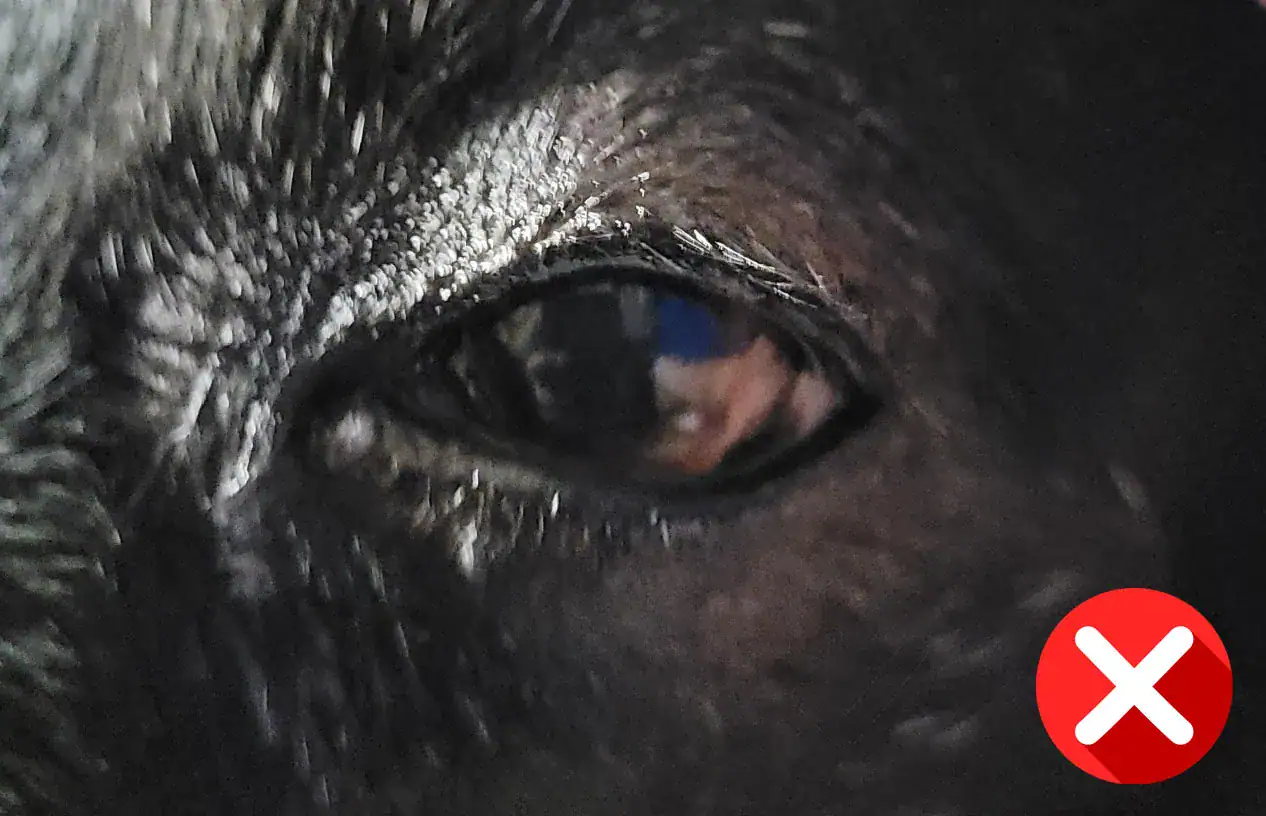
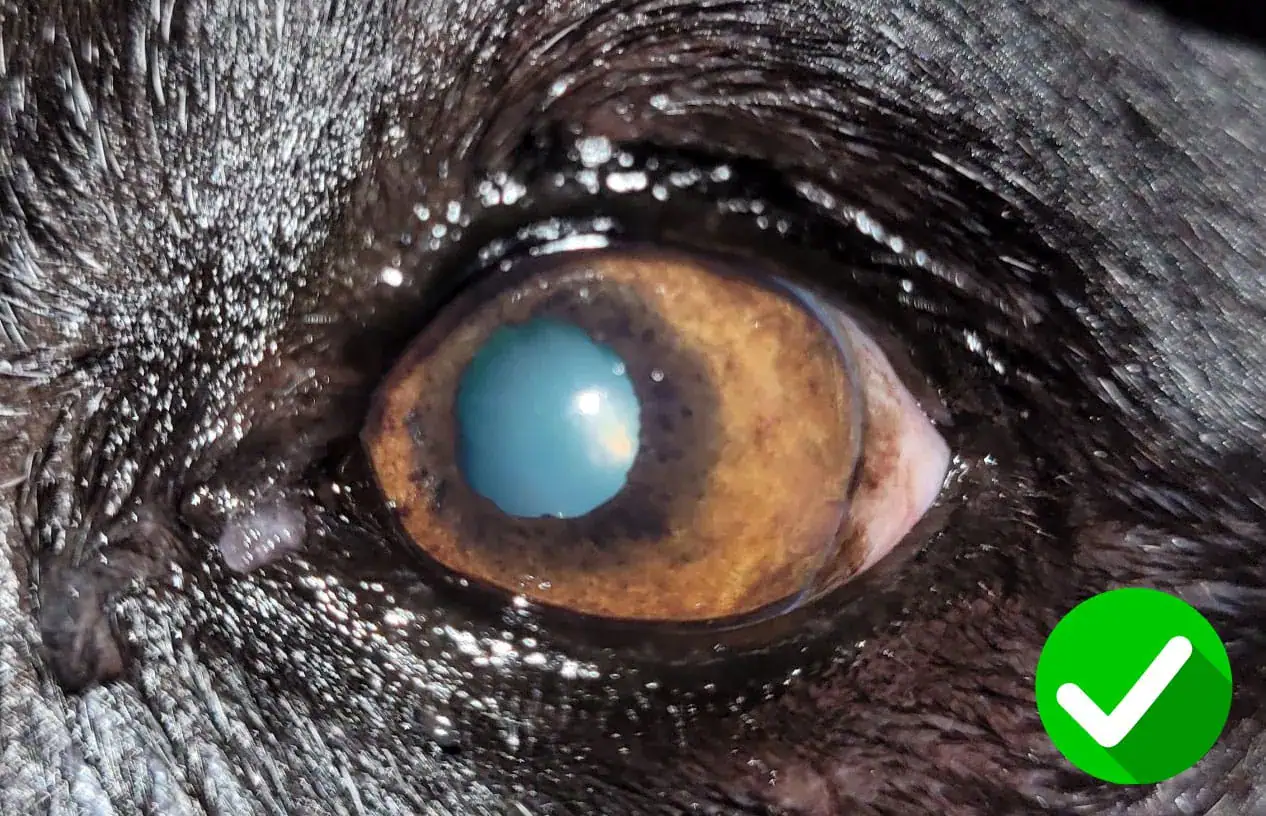
Environment
Ensuring you have the best environmental settings will ensure a good quality photo.
- Use an indoor setting (e.g a darkened or dimmed room). Do not photograph the eye outdoors
- Limit external light sources (e.g close blinds/curtains, turn off TV or computer screens)
- Restrict distractions so that the animal is not looking around
Patient
Animals don’t always do what they are supposed to. Patience is virtue.
- Ask another person to hold the animal to avoid head movement
- Gently open the eyelids using your thumb and forefinger
- Get the animal’s attention: call their name, say their favourite words or make a noise to get them to direct their attention to you.
Camera
Smartphones have excellent cameras which can be used for taking photos of animal eyes
- Make sure that the flash is turned ON
- Tap the screen to identify the focus point (eyeball)
- The eye should occupy the centre third of the screen
- Ideally the animal should be looking into the camera when you take the image
- If you are too close the image will be blurry; adjust your distance accordingly
- Take more than one picture and filter out the blurry ones
- If you are too far away there will be no detail
Further tips and tricks
We don’t need to see the animal’s face or the background. We are just needing a picture of the eye/s.
Photograph both eyes if necessary so we can compare the ‘good’ eye to the ‘bad’ eye.
Send images in the highest possible resolution available from your device.